Exhibition Ida Oã¢ââ¢keefe Escaping Georgiaã¢ââ¢s Shadow Clark Art Institute August 6
Ida O'Keeffe: Escaping Georgia's Shadow
Curated by: Sue Canterbury
Exhibition schedule: Dallas Museum of Art, Nov 18, 2018–Feb 24, 2019; and Clark Fine art Institute, July vi–October vi, 2019
Exhibition catalogue: Sue Canterbury, ed., Ida O'Keeffe: Escaping Georgia's Shadow, with contributions by Sue Canterbury, Erin Piñon, Francesca Soriano, and Lea Stephenson, exh. cat. Dallas: Dallas Museum of Fine art in association with Yale University Press, 2018. 160 pp.; 54 color illus.; 41 b/westward illus. Hardcover $40.00 (ISBN: 9780300214567)
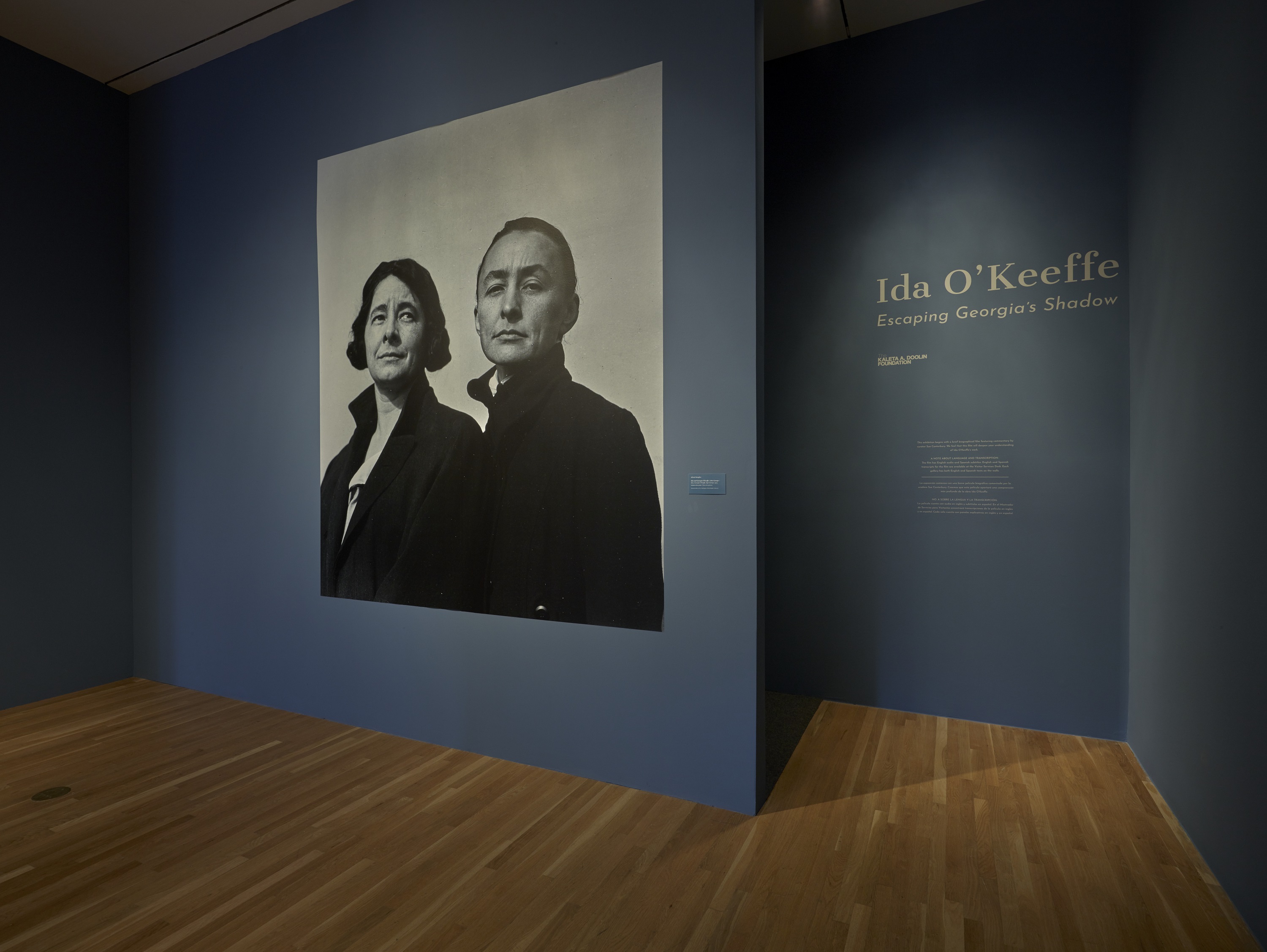
Fig. 1. Installation View, Exhibition Entrance; Pictured: Alfred Stieglitz, Ida and Georgia O'Keeffe, Lake George, 1924, National Gallery of Art, Alfred Stieglitz Collection 1980.70.197. Photo credit: Dallas Museum of Art
The recent exhibition Ida O'Keeffe: Escaping Georgia's Shadow offered a revelatory look at creative person Ida O'Keeffe (1889–1961). Organized by Sue Canterbury at the Dallas Museum of Art, the exhibition grapples head-on with the challenge of elevating the bottom-known sister of ane of America'south most celebrated painters. With a small just carefully researched option of paintings and works on paper, the exhibition and accompanying catalogue do an outstanding task of establishing the integrity of Ida O'Keeffe's artistic career, and in their forthright confrontation of Georgia's celebrity, they lay essential groundwork for future, more nuanced approaches to investigating Ida'southward function in American modernism.
At the Dallas Museum of Art, the installation immediately addressed not only the looming shadow of Georgia O'Keeffe (1887–1986), Ida'south older sis, simply also the ascendant role that photographer and dealer Alfred Stieglitz (1864–1946) played in the lives of both sisters during crucial early years of their careers. Visitors starting time encountered a large reproduction of Stieglitz's portrait of the two sisters (fig. 1), followed past a room featuring a short documentary pic made for the exhibition that provided the biographical framework for Ida's story. Visitors then entered a gallery featuring ten photographs by Stieglitz from the 1920s, fabricated during visits by Georgia and Ida to his habitation in Lake George. These included outdoor portraits of the sisters together, flirtatious and candid images of Ida, and a notorious even so life of a feather penetrating an apple, considered a thinly veiled reference by Stieglitz to his desire for Ida.1 The photographs and wall texts in this space illuminated the complex, even erotically charged dynamic between Ida, Georgia, and the much older Stieglitz. In the 1920s, Ida was developing a serious commitment to painting while taking itinerant educational activity posts and courses in nursing in New York. Her older sister, Georgia, was by so enjoying success as an established artist in New York and settling into the early years of her long romance with Stieglitz, even as he pursued flirtations with other women, including Ida. Stieglitz's elegant photographs, presented here as the first works of the installation, define biography as the underlying methodology for the exhibition and related scholarship.
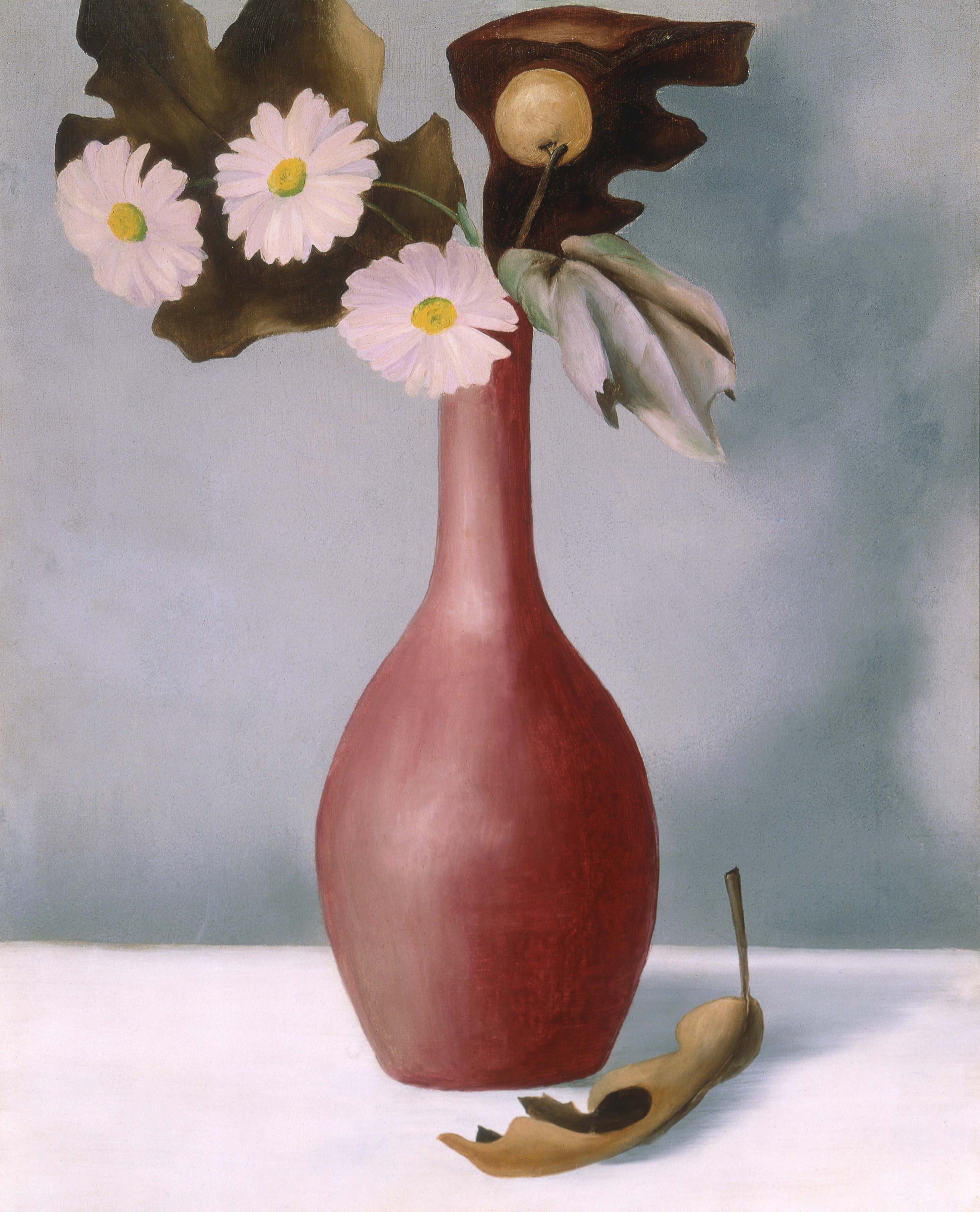
Fig. 2. Ida Ten Eyck O'Keeffe, Peach-Diddled Vase, 1927, oil on canvass, Peters Family unit Art Foundation
The next galleries featured hit early works, including a stiff 1927 still life of flowers and spare geometry (fig. 2), followed by a most complete series of paintings of lighthouses, executed during 1931 and 1932, that Ida O'Keeffe exhibited throughout her lifetime. Dedicated fans of Georgia O'Keeffe may be inclined to see her influence in Ida'due south work, simply Canterbury's carefully researched chronology of Ida'south career,2 supported by a lovely scrapbook of clippings also included in the exhibition, reveal unexpected reciprocities between the painting subjects and stylistic approaches of the two sisters. The Lighthouse serial (figs. 3, iv), in particular, demonstrates Ida O'Keeffe's sustained interest in an belittling arroyo to composition and hints at a darker sensibility that feels distinct from her sister's oeuvre. The exhibition also includes an intriguing selection of monotype prints, several simply recently located through dedicated curatorial inquiry. The final galleries feature some compelling late work, including Creation, a dramatic abstraction of color and geometry (fig. five).
While the emphasis on Ida'south connectedness to Georgia and Stieglitz throughout the exhibition feels overwhelming at times, it is hard to imagine that Canterbury could have called to organize a show of Ida O'Keeffe's work without addressing this complex and fundamental aspect of the artist's biography. Canterbury navigates this territory well, and visitors leave the installation with a articulate sense of Ida's delivery to her career and the strength of her aesthetic. There are individual paintings in the exhibition that should now have a more than public life on museum walls and in futurity thematic shows of American modernism. Seeing these paintings in conversation with peers such as Charles Demuth, John Marin, and Oscar Bluemner will continue to enrich how nosotros understand Ida O'Keeffe'south achievements as an artist.
As the exhibition labels and the catalogue essay point out, Ida's career as an artist faced myriad obstacles typical of her generation—gender bigotry, minimal exhibition opportunities, and afoot work obligations that left her fiddling time to settle into a sustained studio practice. Past virtue of Ida'south personal relationships, however, her career was also shaped by unique circumstances that should provoke new insights into all the characters involved. Canterbury'due south deeply researched text reveals that two other O'Keeffe sisters likewise briefly pursued creative careers, and each negotiated her human relationship with Georgia in different ways. At the stop of her catalogue essay, Canterbury explicitly speculates how Ida's career might take been different had she had "a Stieglitz," highlighting the lack of his sponsorship every bit a defining limitation for her art. Ane is also left wondering how having an older sister embedded in the New York art world provided valuable insights and opportunities for Ida O'Keeffe, in addition to emotional tensions, competition, and ultimately a family rift. The catalogue makes clear that Georgia felt threatened by all her sisters' successes, even as she gained acclaim in the male-dominated art world of Manhattan.
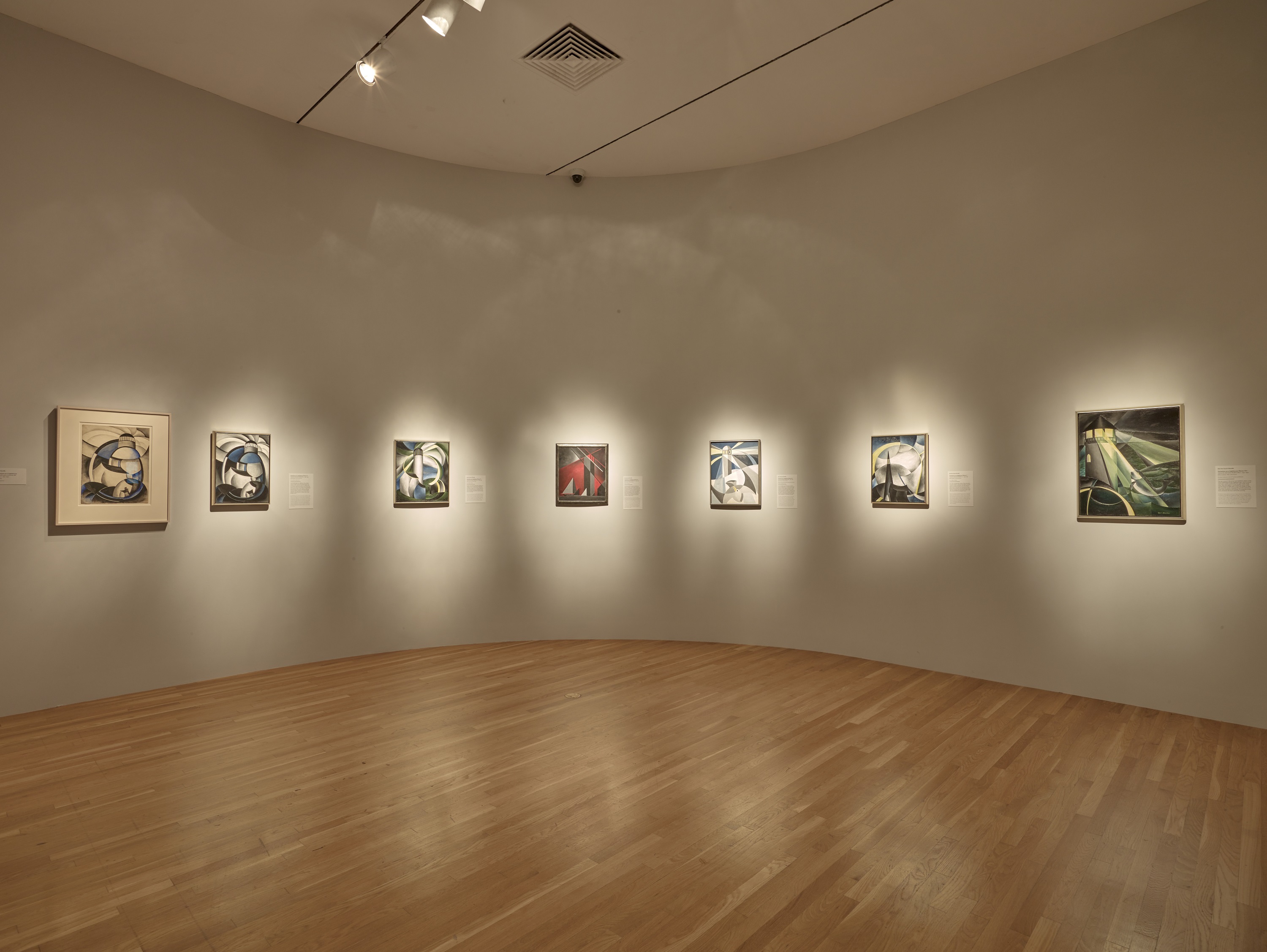
Fig. 3. Installation View, The Lighthouse Series. Photo credit: Dallas Museum of Art
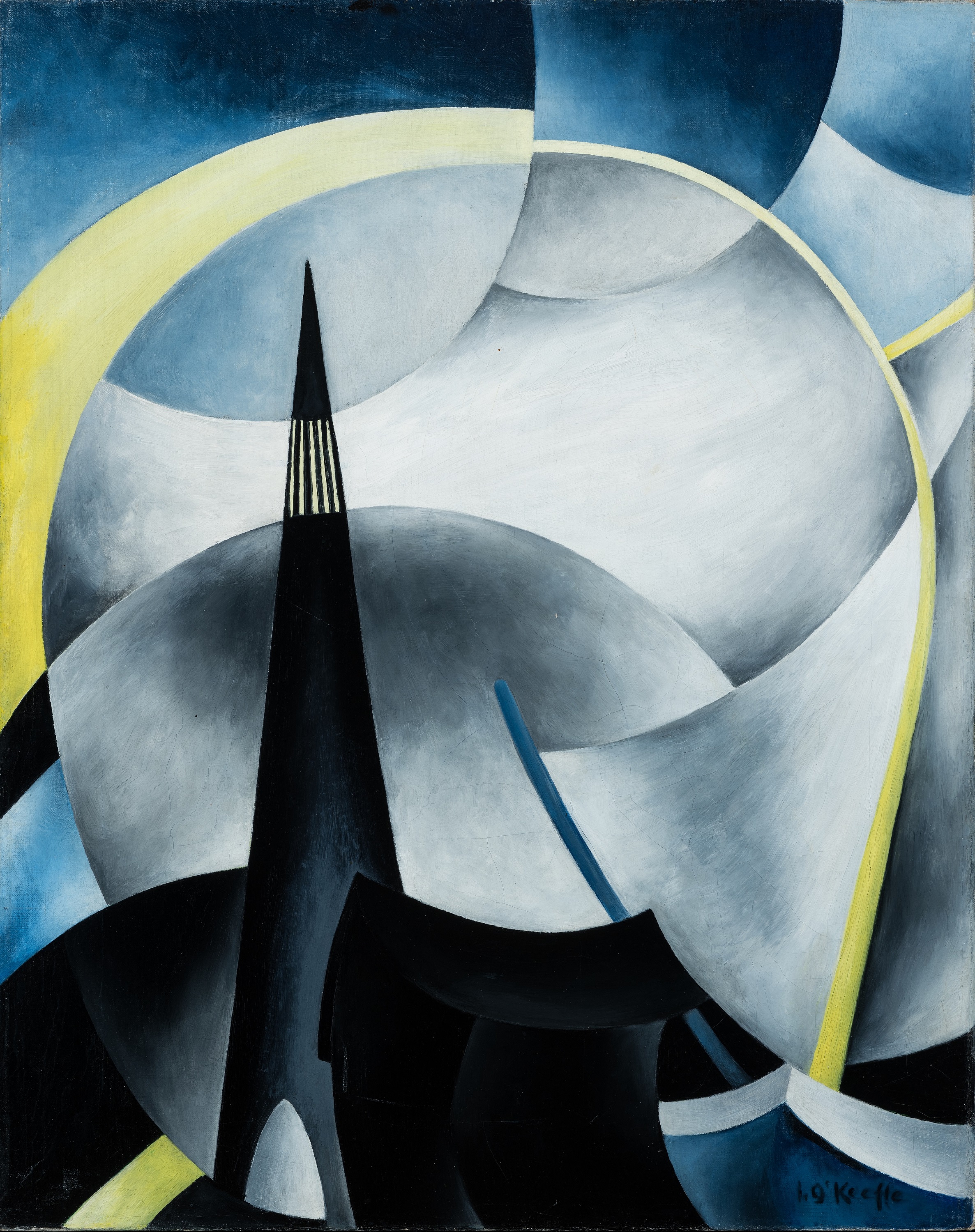
Fig. 4. Ida Ten Eyck O'Keeffe, Variation on a Lighthouse Theme V, c. 1931-32, oil on sail, Jeri 50. Wolfson Collection
The Norton Museum of Art's 2016 traveling exhibition, O'Keeffe [Georgia], Stettheimer, Torr, Zorach: Women Modernists in New York, proposed a gender-based look at four leading female person artists from the 1920s.3 Ida O'Keeffe'due south career further illuminates the array of complex personal and professional tradeoffs women artists of that era had to navigate. The three Stettheimer sisters—all single, simply wealthy—might offer a counterpoint for the O'Keeffe sisters. Helen Torr and Marguerite Zorach, each the inevitably lesser-known half of an creative person couple, and each living part of her life abroad from the New York scene, might offer another signal of reference for Ida's career—spousal relationship, children, and geography inevitably affected success in the art world. Ida's itinerant career, including stints as a muralist and writer as well equally a teacher, might besides be considered in reference to someone such as Mexican photographer Lola Álvarez Bravo, who took on journalistic work to pay the bills and support a kid, while her ex-hubby Manuel Álvarez Bravo gained fame equally an acclaimed modernist photographer. Contempo scholarship on California modernist Agnes Pelton volition perhaps provide yet another point of reference for Ida, who, like Pelton, settled on the W Coast after spending time in Manhattan.4 The heterosexual partnerships of the art world accept been researched for books and exhibitions, and the marriage of Georgia O'Keeffe and Alfred Stieglitz is among the best known. For many artists, still, connections with siblings and friends were as career defining, and for women, in item, these relationships presented competing allegiances every bit oftentimes as they offered support.
After decades of caring for ailing parents and younger siblings, education jobs, and nursing coursework, Ida O'Keeffe focused on her beloved of art and sought to build a life around that vocation. Despite frequent sojourns abroad from Manhattan for temporary bookish posts, her piece of work was featured in solo gallery exhibitions, received favorable reviews, and garnered a mural commission for her from the New York Public Library. Her early on achievements also prompted inevitable comparisons with the other O'Keeffe painter in New York. Inspired perhaps by Georgia'due south growing success, and initially welcomed into her older sis's artistic community, Ida ultimately found herself tangled in a delicate power dynamic even Georgia struggled to navigate. Ida never gave up painting and exhibiting her art, simply personal conflicts and practical obligations forced her to abandon the supportive network of the Stieglitz Circumvolve and its potentially transformative role in her career.
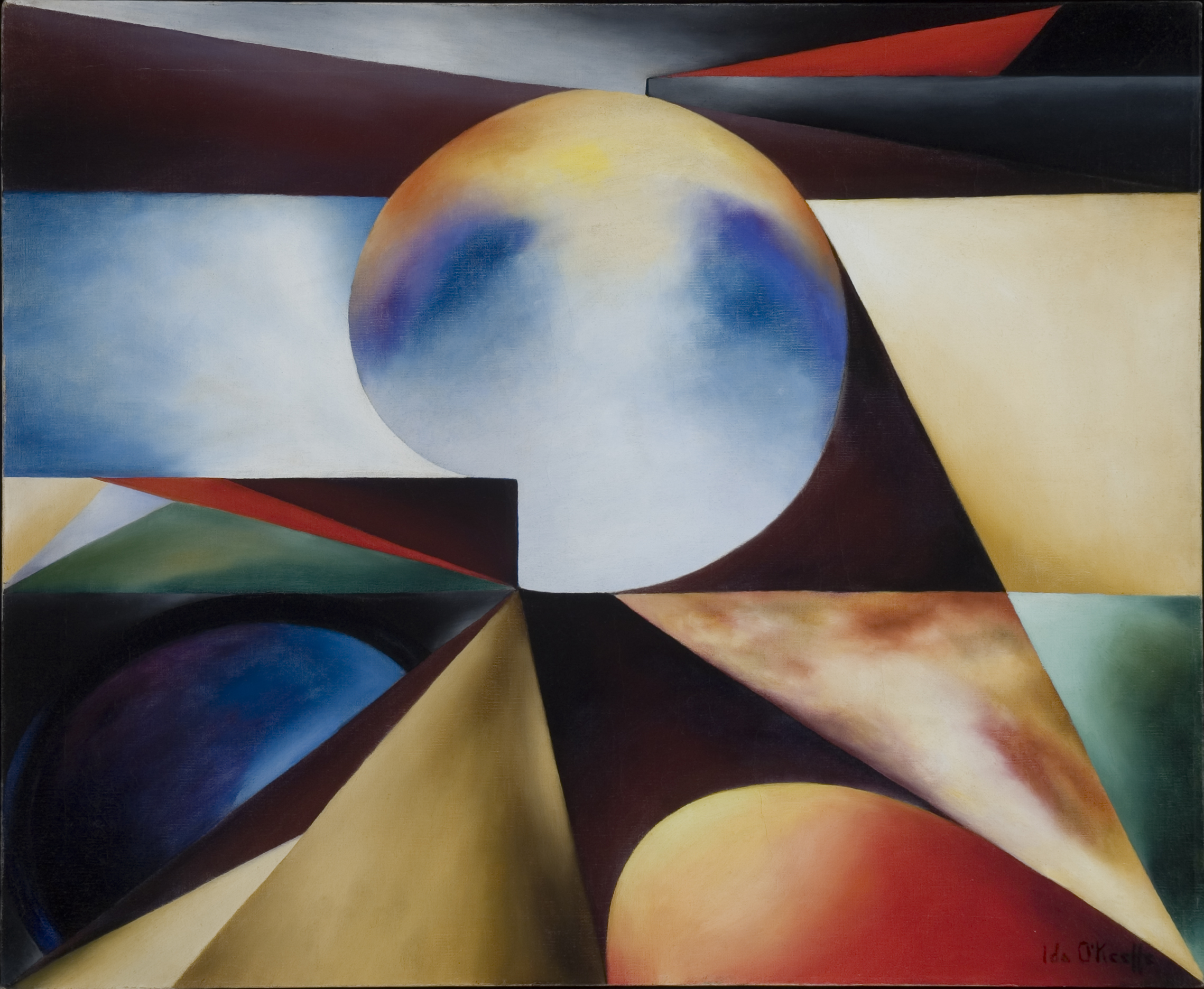
Fig. 5. Ida Ten Eyck O'Keeffe, Cosmos, 1936, oil on canvas, Gerald Peters Gallery
It is fair to say that even scholars of Georgia O'Keeffe's work take had only minimal familiarity with the piece of work of the other O'Keeffe sisters.5 To the extent that Ida'due south work has been considered at all, it has, until this exhibition, been seen just through the lens of Georgia's career—Ida has been a peripheral, supporting character for one of the most famous artists of the twentieth century. Canterbury's extensive research implies the degree to which Georgia herself actively suppressed Ida'southward identity as swain artist, and it provokes the important question of why. There were personal problems at play that we may never know, merely larger themes of gender and power clearly shaped the circumstances under which Georgia's career accelerated and Ida'south stagnated. The wide strokes of Ida O'Keeffe'due south story equally a struggling female artist in the twentieth century are heartbreakingly common, but the opportunities and barriers she encountered equally Georgia's younger sis inside Stieglitz's orbit are fascinatingly unique. Canterbury astutely observes, "Her particular set of obstacles touched on psychological, circumstantial, and applied factors."6 The complexities of Ida's career offer new insights and new questions for feminist fine art history, besides as new lines of inquiry for scholarship on Stieglitz Circle artists. By bringing Ida O'Keeffe's biography into focus and gathering together an impressive range of her work for this exhibition, Canterbury has indeed brought Ida out of the shadows and introduced a provocative new character into the guild of American modernism.
Cite this article: M. Rachael Arauz, review of Ida O'Keeffe: Escaping Georgia'due south Shadow, Dallas Museum of Art, Panorama: Journal of the Association of Historians of American Fine art 5, no. i (Spring 2019), https://doi.org/10.24926/24716839.1713.
PDF: Arauz, review of Ida O'Keeffe
Notes
Almost the Author(due south): M. Rachael Arauz, PhD, is an independent curator and art historian
Source: https://editions.lib.umn.edu/panorama/article/ida-okeeffe/
0 Response to "Exhibition Ida Oã¢ââ¢keefe Escaping Georgiaã¢ââ¢s Shadow Clark Art Institute August 6"
Mag-post ng isang Komento